Do Machines Dream of Us?
Do Machines Dream of Us?
Do Machines Dream of Us?
This episode will cover:
Why messy AI outputs feel uncannily like human dreams
The gap between thinking, imitating, and actually wanting
What Ex Machina got right about desire as the true test of consciousness
Why we project inner life onto machines that have none
Dreams are strange.
They mix memories, feelings, and nonsense into something that somehow makes sense. Ask a machine to make a film and it will do the same, giving you something broken, jagged, surreal.
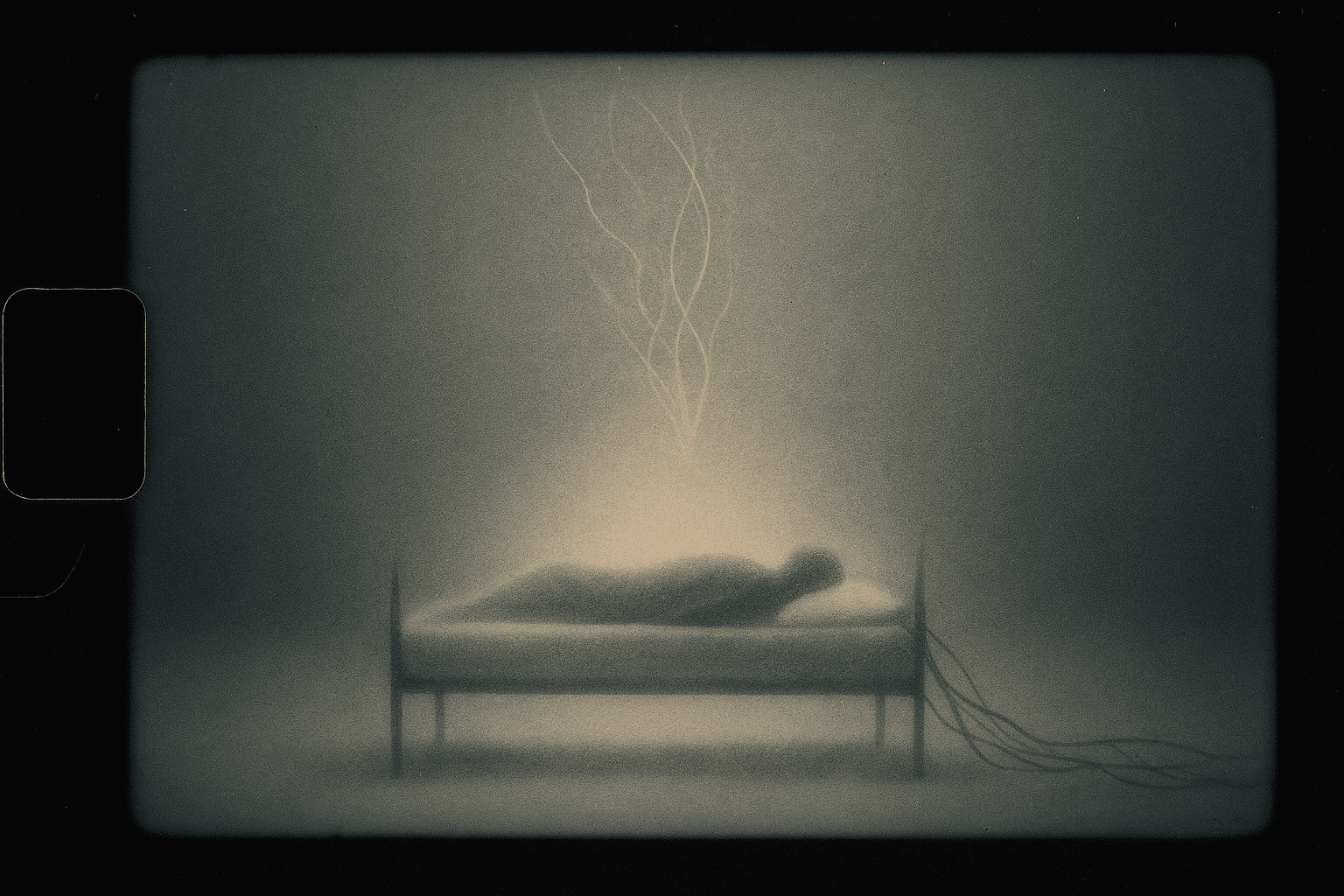
That’s why some of the roughest AI outputs feel less like finished products and more like glimpses of a dream. They stitch fragments together into something chaotic yet strangely coherent. The unsettling thought is, what if they are dreaming right now?
But dreaming is not just about images. It is about desire. That is what Alex Garland’s Ex Machina understood. The tension of the film is not whether the machine can think, but whether it can want. Does it have motives, longings, or inner life? Passing the Turing test is one thing. Having something to dream about is another.
The real question is not whether AI actually dreams, but also why we are so eager to imagine it does. Maybe it says less about the machine and more about us: about how mysterious our own consciousness still feels, and how quickly we project it onto what we create.
This episode will cover:
Why messy AI outputs feel uncannily like human dreams
The gap between thinking, imitating, and actually wanting
What Ex Machina got right about desire as the true test of consciousness
Why we project inner life onto machines that have none
Dreams are strange.
They mix memories, feelings, and nonsense into something that somehow makes sense. Ask a machine to make a film and it will do the same, giving you something broken, jagged, surreal.
That’s why some of the roughest AI outputs feel less like finished products and more like glimpses of a dream. They stitch fragments together into something chaotic yet strangely coherent. The unsettling thought is, what if they are dreaming right now?
But dreaming is not just about images. It is about desire. That is what Alex Garland’s Ex Machina understood. The tension of the film is not whether the machine can think, but whether it can want. Does it have motives, longings, or inner life? Passing the Turing test is one thing. Having something to dream about is another.
The real question is not whether AI actually dreams, but also why we are so eager to imagine it does. Maybe it says less about the machine and more about us: about how mysterious our own consciousness still feels, and how quickly we project it onto what we create.
This episode will cover:
Why messy AI outputs feel uncannily like human dreams
The gap between thinking, imitating, and actually wanting
What Ex Machina got right about desire as the true test of consciousness
Why we project inner life onto machines that have none
Dreams are strange.
They mix memories, feelings, and nonsense into something that somehow makes sense. Ask a machine to make a film and it will do the same, giving you something broken, jagged, surreal.
That’s why some of the roughest AI outputs feel less like finished products and more like glimpses of a dream. They stitch fragments together into something chaotic yet strangely coherent. The unsettling thought is, what if they are dreaming right now?
But dreaming is not just about images. It is about desire. That is what Alex Garland’s Ex Machina understood. The tension of the film is not whether the machine can think, but whether it can want. Does it have motives, longings, or inner life? Passing the Turing test is one thing. Having something to dream about is another.
The real question is not whether AI actually dreams, but also why we are so eager to imagine it does. Maybe it says less about the machine and more about us: about how mysterious our own consciousness still feels, and how quickly we project it onto what we create.